Building Materials · Circular Economy · Materials & Chemicals
Creating Circularity in the Industrial Scrap Metal Supply Chain
Establishing closed-loop sourcing for industrial scrap metal to optimize manufacturing waste reuse.
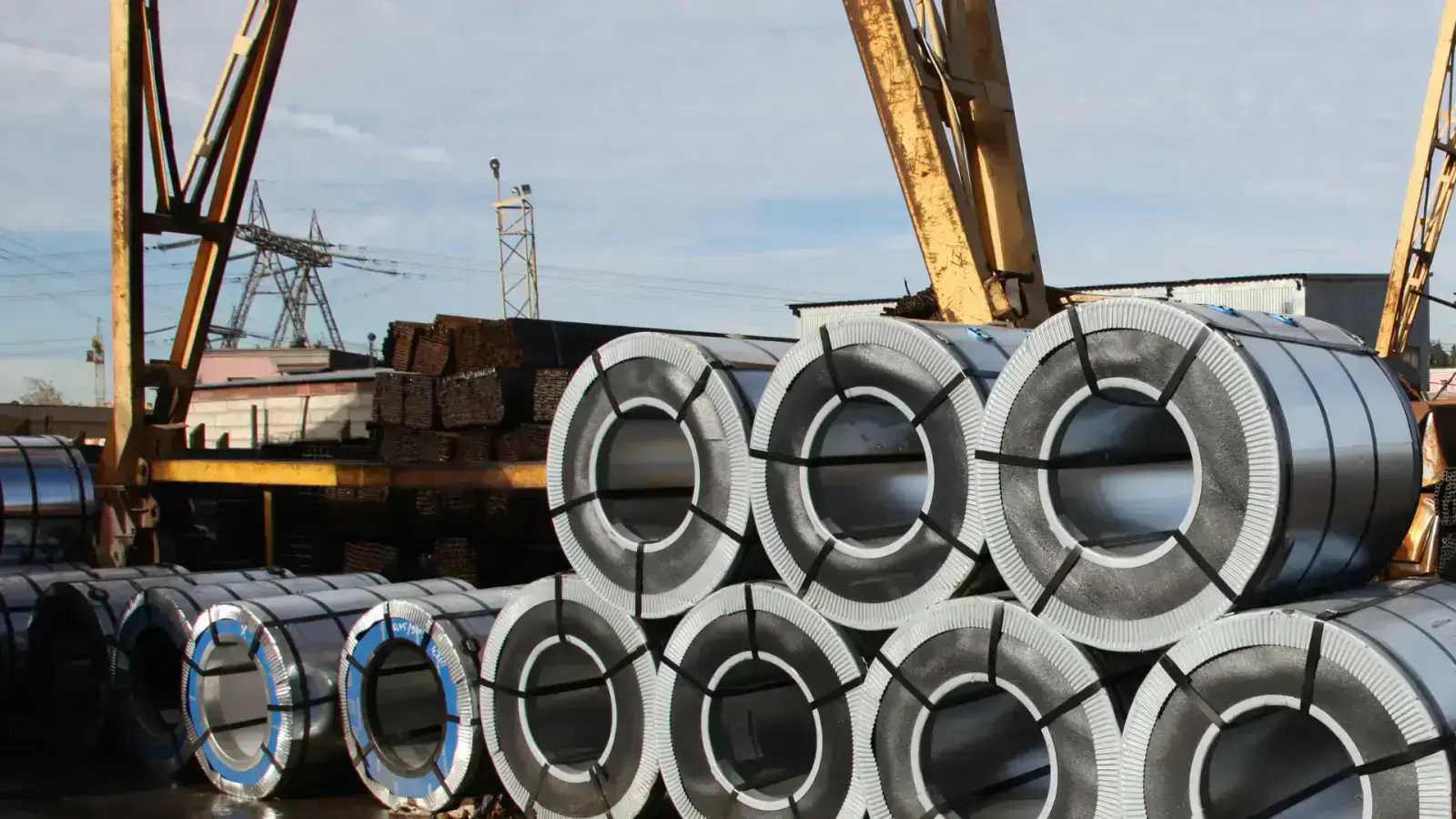
Welcome aboard! Let’s take a thought-provoking journey through the world of industrial scrap metal, a realm that is primed for circularity. The recyclability of metal presents an incredible opportunity to transform how we handle scraps and waste, shifting from a linear path to a more cyclical, zero-waste journey. Imagine a world where every piece of scrap metal is a treasure, a valuable resource to be reused over and over again. Our voyage today explores how this can be achieved, the challenges we might face, and the myriad benefits to the environment and our economy. Buckle up as we tour a world where closed-loop operations transform waste and cost reduction objectives into a reality. Let’s get started, it’s time to turn circularity principles into profit!
Continue the thread: Achieving Circularity in the Industrial Paper Sludge Supply Chain by Transforming Residual Pulp Waste into New Opportunities · Creating Circularity in Biochar and Biomass Supply Chain by Transforming Wood Waste into Sustainable Fuel
Framework & Context of Industrial Scrap Metal Circularity
Principles of Circularity: Reduce, Reuse, Recycle
Understanding Circularity Principles
The concept of circular economy aims to maximize the utility and lifespan of resources. One of its core principles, ‘Reduce’, prescribes minimizing resource input and waste generation. ‘Reuse’ advises repurposing elements in their original or in a different functional capacity, while ‘Recycle’ underscores the relevance of reproducing quality products from waste materials. These principles underpin the circular major shift from a throwaway culture to a sustainable model for the future.
Reduction in Industrial Metal Use
Industries bear a substantial responsibility for resource reduction as large-scale metal consumers. Manufacturers can decrease overdependence on virgin or primary metal resources by incorporating recycled scrap in production, engaging in lean manufacturing, and upgrading their machinery for optimal operation. Furthermore, they can offer services prolonging the lifespan of metal-based products, thereby deferring the need for resource-exhaustive replacements.
Reuse and Recycling Practices
Reuse allocates a second life-cycle to metal products or components, effectively limiting the need for raw material extraction. Regarding recycling, scrap metal processing can produce secondary raw materials, which retain the valorizable properties of primary metals while being more cost-effective and environmentally benign. Regrettably, existing recycling practices often underutilize this utility.
Identifying Recycling Inefficiencies and Gaps
Current Challenges in Recycling Processes
Despite its apparent advantages, metal recycling contends with various challenges. Firstly, the diversity and complexity of scrap materials necessitate intricate methods for effective sorting and segregation. Second, decentralization of scrap sources complicates collection and transport operations, inflating costs. Finally, contamination from hazardous substances can jeopardize the quality and safety of the recycled output.
Critical Gaps in the Supply Chain
A prominent supply chain gap is the lack of efficient traceability, which impedes the flow of accurate information concerning scrap properties, provenance, and transactions - consequently constraining the potential for value recovery. Additionally, inertia among participants restricts the transition to circular mechanisms.
Benefits of a Closed-Loop System: Environmental and Economic
Environmental Advantages
Transitioning to a closed-loop system carries significant environmental advantages. Resource conservation, energy efficiency, and pollution reduction are integral environmental benefits driven by circularity. By reducing demand for mined metals, recycling decreases ecological disturbance from extraction and refining activities. Furthermore, the energy-intensive production of primary metals is substituted by less demanding recycling processes, significantly lowering associated carbon emissions.
Economic Incentives of Circularity
Economic incentives of a circular economy in the metal industries include resource security, cost savings and new business opportunities. Availability and price volatility for virgin materials can considerably impact metal-dependent industries. By adopting recycling, manufacturers can insulate themselves from these disruptions, securing a steady supply of cheaper secondary materials. Besides, circularity offers opportunities to establish new business models and revenue streams, such as product-as-a-service or take-back schemes, capitalizing on the market transition towards sustainability.
Challenges and Barriers in Implementing Circularity
Transitioning from a linear to a circular model in the industrial scrap metal supply chain comes with considerable challenges that need innovative and systemic approaches. These challenges are chiefly technical, economic, regulatory, and trust-related within the supply chain.
Technical Challenges: Quality, Contamination, Logistics
Maintaining Scrap Metal Quality
Ensuring metal quality is key to implementing circularity. Poor quality metals can compromise the robustness and longevity of the products they are recycled into, defeating the circular model’s entire purpose. To maintain high-quality standards, steps must be taken to prevent contamination and degradation of the scrap during collection, sorting, and recycling processes.
Addressing Contamination Issues
Metal contamination can occur throughout the collection and recycling process, severely undermining recycling efforts. Tools and techniques must be developed and employed to detect and eliminate contaminants early in the process to avoid complications, costs, and wastage later on.
Logistical Challenges and Solutions
Effective logistics plays a crucial role in the circular economy. Logistics challenges could range from transportation and storage to sorting and processing of the scrap metals. Addressing these effectively may need digital solutions for tracking and controlling material flows and developing localized recycling hubs that could reduce transportation costs and emissions.
Economic Barriers: Infrastructure Costs and Market Volatility
Infrastructure Investment Needs
Transforming the linear industrial metal supply chain into a circular one requires considerable investment in infrastructure. New systems for sorting, processing, and tracking need to be built, and existing facilities might need adaptations or replacements.
Navigating Market Fluctuations
The fluctuating market prices for metals, driven by supply and demand dynamics, can pose a considerable economic challenge to establishing circular practices. Developing risk mitigation strategies, like long-term contracts and diversifying supply sources can help businesses navigate this volatility.
Regulatory Barriers: Standards and Extended Producer Responsibility
Understanding Regulatory Challenges
Regulations are needed to define and enforce standards in circularity practices. However, the lack of clear, universal, and enforceable Regulations can pose substantial challenges to implementing circularity. Greater clarity and international coherence in legislations are crucial for businesses to confidently invest in circular operations.
Extended Producer Responsibility (EPR) Limitations
EPR policies are used to hold producers accountable for the end-of-life management of their products. However, EPR implementations vary widely and often lack the strict enforcement needed to encourage producers to design products for reuse and recycling in the first place.
Supply Chain Resistance and Trust Issues
Building Trust in the Supply Chain
Trust between supply chain partners is crucial for sharing resources, information, and risks - components key to establishing a circular supply chain. Transparent communication, contractual fairness, and cooperation are needed to build this trust.
Overcoming Resistance to Circular Practices
Resistance to changes, especially in established industries, is not uncommon. Therefore, companies trying to introduce circular practices in their supply chains must productively engage with their partners and stakeholders to make them understand the environmental and economic benefits of the circular model.
Implementation Strategies for Effective Circularity
To harness the full potential of industrial scrap metal circularity, a bevy of strategies must be put into effect. These range from innovative collection and sorting methods to advanced processing techniques and collaborative business strategies.
Innovations in Collection and Sorting: Sensors, AI, Blockchain
Underpinning effective circularity is the need for improved systems of collection and sorting. Advanced tools like sensors, AI and blockchain are paving the way forward.
Using Advanced Sensors for Sorting
Improved sensory technology promises a step-change in the sorting process. Advanced sensors offer the ability to detect differing types of metals based on properties like color and texture, separating valuable elements from waste. This results in a high-quality stream of recyclables, reducing contamination issues.
AI Applications in Scrap Metal Processing
Artificial intelligence is a big step forward in the scrap metal industry, automating and enhancing sorting procedures. AI can be used to learn patterns and recognize different materials, accurately sorting metal scraps much quicker than human labor.
Blockchain for Enhanced Traceability
Blockchain, with its inherent transparency and immutability, offers a robust tracking system for the scrap metal supply chain. It enables traceability of materials, ensuring ethical sourcing and compliance with regulations.
Optimizing Processing: Low-Energy Melting and Recycling
A characteristic tenet of the circular economy is resource efficiency. For instance, optimizing the processing methodology to incorporate low-energy melting and recycling techniques will significantly conserve resources.
Techniques for Low-Energy Melting
Essential in the recycling process is a shift towards low-energy melting techniques. These innovative methods reduce the energy expenditure and environmental footprint associated with conventional metal extraction and processing.
Implementing In-House Recycling Solutions
Implementing in-house recycling solutions can drastically reduce transportation and processing fees, thereby optimizing operations. This approach encourages self-sufficiency, enabling industries to control the quality and speed of recycling, as well as adapt to market changes swiftly.
Business Strategies: Metal-as-a-Service and Buy-Back Programs
To drive circularity, businesses need to rethink their operating procedures and revenue models. Initiatives like Metal-as-a-Service and Buy-Back programs encourage circularity at the business end.
Metal-as-a-Service: A Sustainable Approach
A groundbreaking approach is the introduction of “Metal-as-a-Service”, where businesses, instead of selling metals, lease them for a defined period. This requires the recovery of metals at the end of the lease period, sparking an incentive for better recycling processes.
Designing Effective Buy-Back Programs
Manufacturers can also launch buy-back programs to reclaim their products after their end-of-life, fostering a closed-loop supply chain. This strategy could not only increase the availability of scrap materials for recycling but also help maintain brand loyalty.
Policy Innovations: Quotas and Tax Benefits
Governmental intervention can further bolster the circular revolution. Through policies like quotas and tax benefits, strategies can be aligned for circularity.
Setting Quotas for Circular Practice
Setting implementation quotas can ensure industries progressively adopt circular practices, accelerating the shift to a circular industrial scrap metal supply chain.
Tax Benefits as Incentives
Tax incentives can serve as a much-needed impetus for the adoption of circular practices. By offering tax benefits to companies employing recycling and other circular practices, the governing bodies can stimulate the transition towards circularity.
Collaboration in the Supply Chain: Supplier Symbiosis and Marketplaces
Collaboration within the supply chain is a crucial enabler of circularity, catalyzing supplier symbiosis and promoting digital marketplaces.
Building Supplier Symbiosis
Supplier symbiosis is a collaborative model where companies interact with their suppliers and customers to optimize the use of resources within the supply chain by exchanging waste streams, underutilized resources, and knowledge. This builds a level of trust and cooperation that is crucial in ensuring the success of the circular supply chain.
Exploring Digital Marketplaces
Similarly, digital marketplaces can foster transparency and connectivity between suppliers and manufacturers, making it easier to trace materials and exchange information. This can be especially beneficial in overcoming the geographic disconnect in the supply chain.
The strategies outlined above are just the tip of the iceberg in driving industrial scrap metal circularity. By embracing these strategies, businesses can redefine their operations and navigate towards a future of improved sustainability and cost-efficiency.
Primary source
Further primary source
For official recycling definitions and limits, see EPA: recycling basics.
Keep reading